No products in the cart.




If you ask a business owner what the challenges of running a business are, the very first answer you receive will be “how to effectively sell the products”. Absolutely, apart from products themselves, the key factor which contributes to good sales is “customers”. As a matter of fact, how products are designed depends on who the customers are and what they want.
However, the real challenge is the variety of consumer behaviors which vary according to generations. It is especially for the current era that marketing strategies are not able to categorize consumers into broad groups anymore such as male, female, kids, adults, senior adults, etc. They are grouped into segments, in which all business owners must understand deeper insights and completely different needs of each group from different generations. Moreover, the spread of Covid-19 also influences a significant change in consumer behaviors.
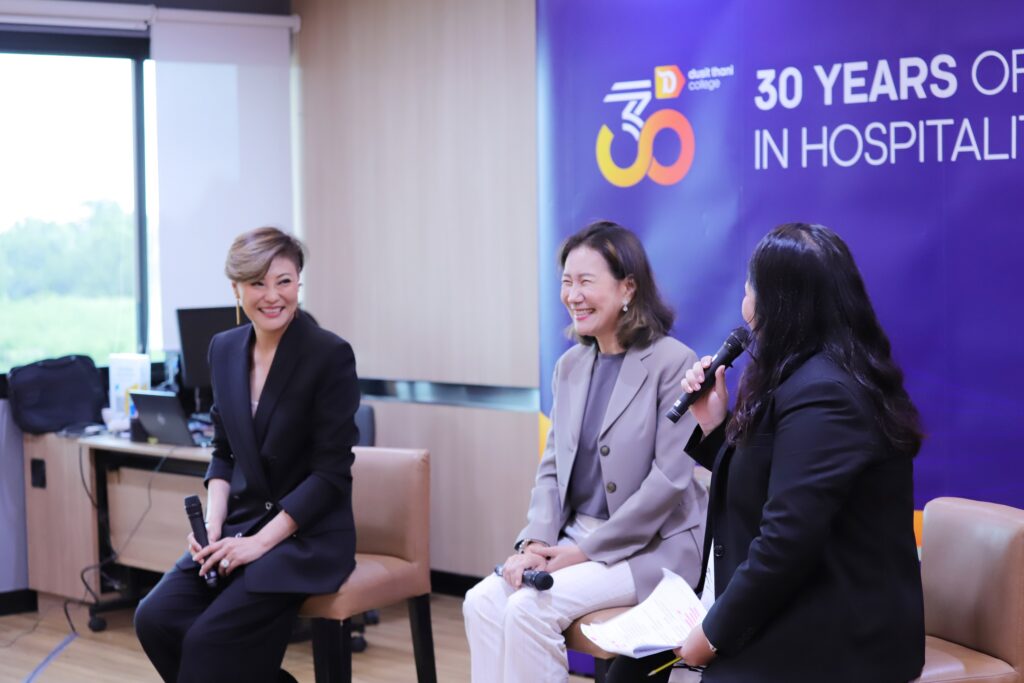
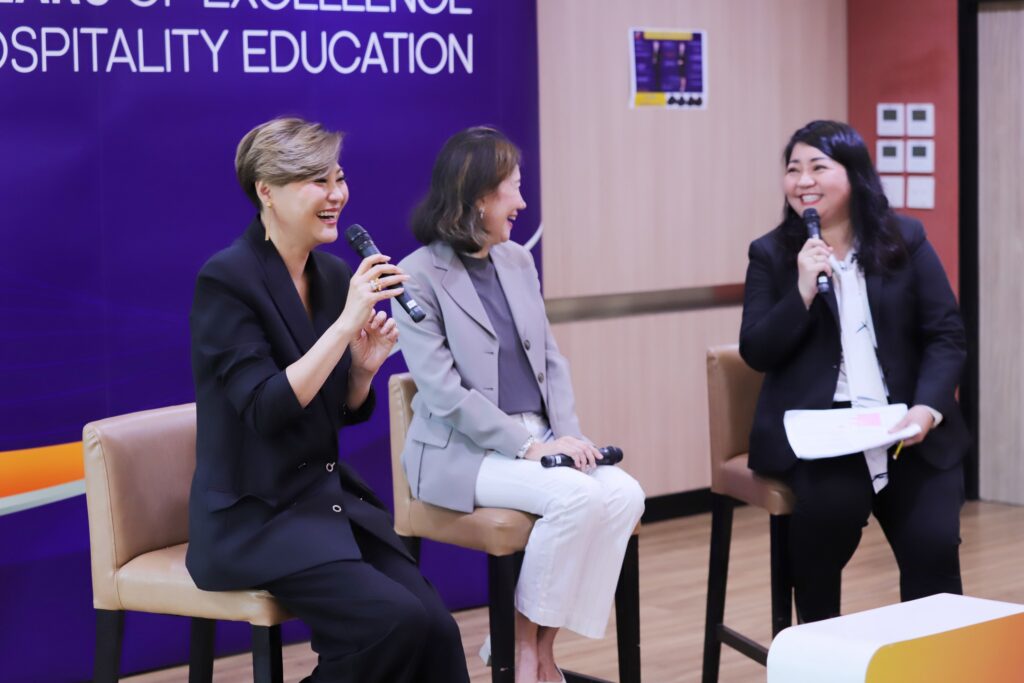
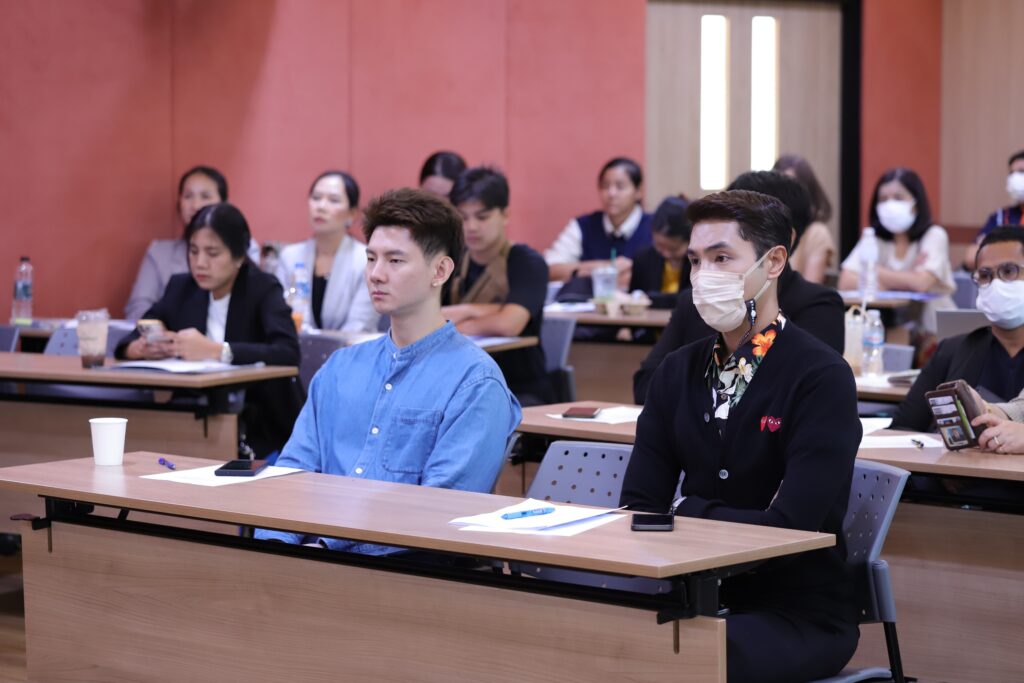
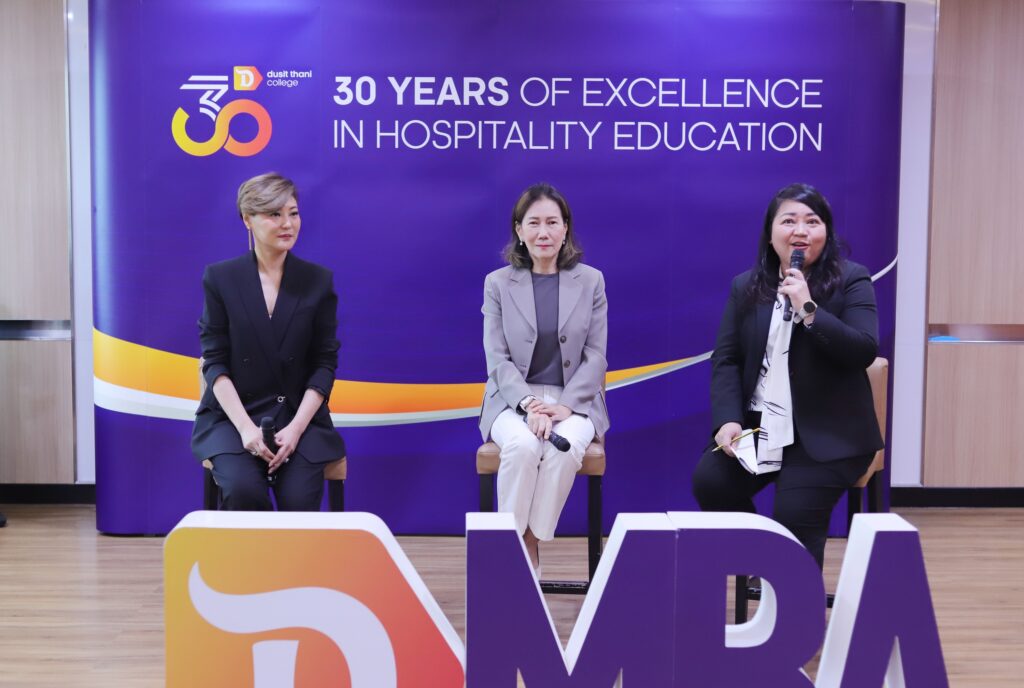
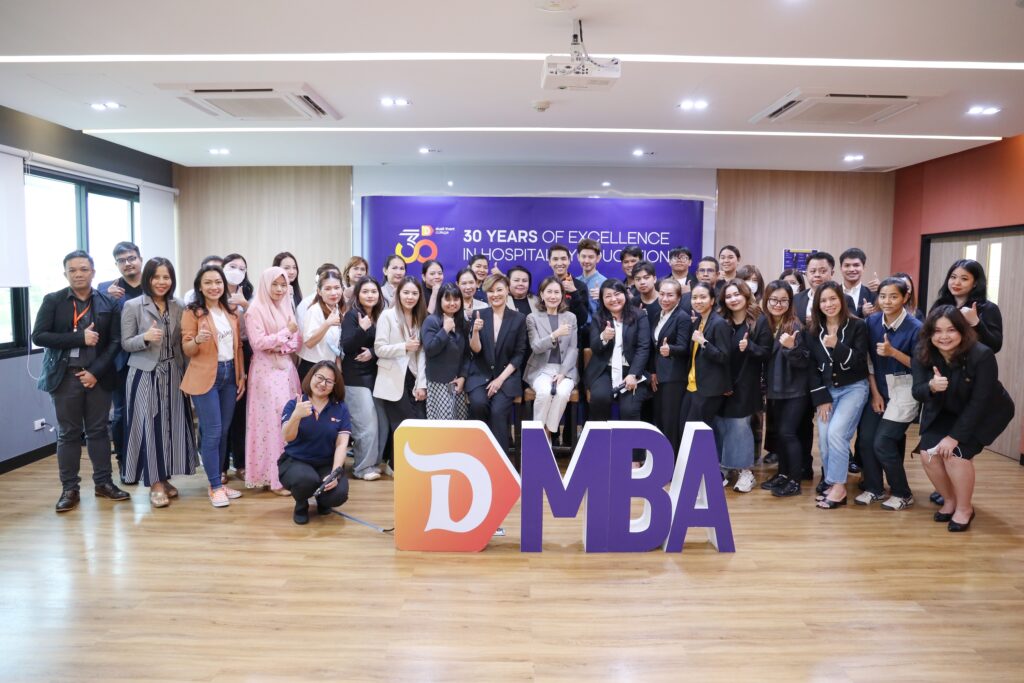
This greatly interested and inspired Dusit Thani College, an educational institution specialized in hospitality businesses under Dusit International which provides a Master of Business Administration program covering 3 concentrations – Hospitality Business Management, Innovative Entrepreneur, and Gastronomy Business Management, to arrange a talk session under the topic “How to push food and hospitality businesses and satisfy different generations” in DTC MBA Open House event. Featuring Ms. Lynda Buranachon, General Manager of Je Ngor’s Kitchen, Kanchanapisek Branch,and Ms. Pimchin Pakpatchon, Executive Management of JW Group and Junichi Japanese Restaurant, as the guest speakers, this event was moderated by Dr. Wilasinee Yonwikai, Director of MBA Program at Dusit Thani College.
Ms. Lynda referred to the incident of Covid-19 pandemic as a lesson for businesses to adapt themselves. She raised her Je Ngor’s Kitchen as an example of transforming a family restaurant into a ready-made food provider for pedestrians and deliveries. The recipe, therefore, had to be adjusted to preserve the best quality of food by releasing heat before packing. This process will keep the food having good taste and fragrance when the customers dine at home. The serving should also look fresh and mouthwatering.
For the part of knowing your customers, we must clearly understand the customer insight. For example, she set up roundtables in her restaurant as a result of a thorough analysis of her target customers, the elderly, that they prefer to see the faces of all dining members. Moreover, apart from the taste, the elderly also consider the quantity of food. They are delighted to have the leftovers packed in a doggy bag as it shows how much and reasonable the food is. Meanwhile, Je Ngor’s is placing more care on the insights of other generations as the customers typically come as a big family. The new generations focus more on the restaurant’s atmosphere and photo spots, which are being developed to serve the needs of all customers. Ms. Lynda made a point as well that the restaurants these days don’t need to be spacious and luxurious because street food is currently on trend with support from the government and the reputation from Michelin guide stars. This reflects that “the values can be measured with the food itself or the buyers’ satisfaction.”
While Ms. Pimchin said Covid-19 induced healthy lifestyle in people and led to the popularity of touchless services. The business owners, therefore, have to display how the restaurants prepare for customers in terms of disinfection and food hygiene such as storytelling through social media. The contents must depict the reliability of front-end and back-end elements to convince the customers of safety and cleanliness. Ms. Pimchin insisted that “we can’t just do it, we must tell the customers as well what we are doing.” In addition, each social media platform has different characteristics and suits different consumers. That’s why we must utilize each platform following the preference of its audience.
The main customers of Junichi are adults aged above 35 whose interests include quality, quantity, and services. The other group is the new generations who like excitement, fun, and photo taking, so the restaurant attracts this group by creating new seasonal menus to create the sense of “primacy” for those who try the service or food before others. Having special menus also allows the place to present new contents all the time. Last but not least, the place and every dish are furnished beautifully to be picturesque. The group of foreign visitors is another group that cannot be neglected, so Junichi creates fusion menus combining Japanese and Thai cuisine together to satisfy them such as Udon with Tom Yum Goong Soup.
Even the ways that Ms. Lynda and Ms. Pimchin run their businesses are not all the same, but there is one thing in common: “Sales strategy is not about discounts but a search for ideas to generate more consumers.”